 Attendere..


sponsored by
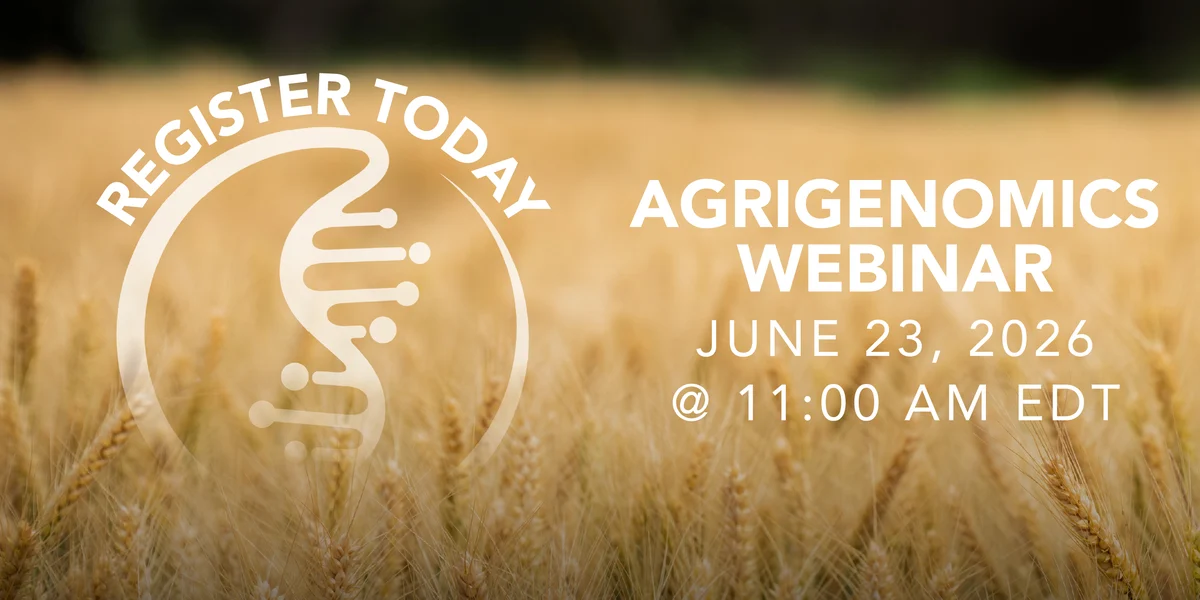
seqWell presents: The Role of Population-Scale, Low-Pass WGS in Accelerating Crop Improvement
A Case Study: Allele Mining of Peanut Pangenome Graphs for Disease Resistance
🌐 Webinar
📆 Tuesday, June 23rd
🕒 11:00 am EDT · 8:00 am PDT · 17:00 CEST
🎤 Josh Clevenger, PhD, Faculty Investigator @HudsonAlpha Institute for Biotechnology
Plant pathogens can cause havoc in global supply chains, because commodities move freely between continents. Crop improvement, which is usually local, becomes global, and causative gene variation needs to be identified and used on continents where pathogens may not be established yet. Pangenome graphs give access to all variation within a population and greatly accelerate the discovery of causative variation. Selection of superior genotypes within breeding populations is greatly improved using low-pass WGS and graph-based imputation.
You Will Learn About:
- Implementing a high-throughput NGS library preparation workflow for agrigenomics
- Benefits of population-scale, low-pass sequencing and pangenomes
- Real-world application of seqWell AgriPrep™
- Accelerating the impact of crop improvement through global collaboration.
Who Should Attend
- Plant, Animal, and Aquaculture Breeders in search of affordable tools to better understand population diversity, accelerate trait mapping, and improve genomic selection
- Ag-biotech and Consortium Leaders evaluating adoption of low-pass WGS to stay competitive
- Lab Managers needing to improve NGS throughput while reducing labor and consumables budgets
- Bioinformaticians working with large-scale genomic data or pangenomic analysis
Want to know more about seqWell’s products? Contact us at the email info@temaricerca.com